AI and 3D Animation: A New Era in Video Production

AI in video production

The evolution of AI in video production has transformed 3D animation and modeling. Just a few years ago, creating realistic scenes required huge resources and professional expertise.

Today, thanks to neural networks, anyone can generate 3D models with simple text prompts. Mikhail Heina, co-founder of BannerBoo and AI-driven film director, shares insights from this fast-changing field.

1️⃣ AI-Generated 3D Scenes

  • Modern tools like Claude Anthropic now create full 3D scenes from short text prompts.
  • In addition, software such as Blender and Unreal Engine has become more accessible with AI integrations.
  • Furthermore, Midjourney is developing features to generate multiple angles for 3D objects.

As a result, people can soon build custom 3D worlds without needing technical modeling skills.

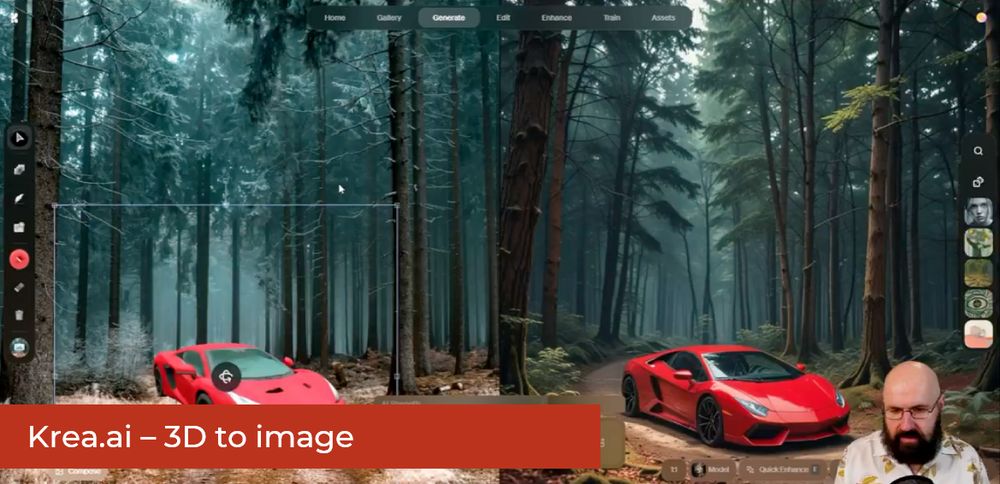
For example, Mikhail experimented with Sora to generate a detailed 3D diorama. He imported the model into Blender and Unreal Engine. Then, using Sora Remix, he enhanced textures and visual details.

The final result was a visually stunning 3D environment ready for virtual camera exploration.

2️⃣ How AI Enhances Video Quality

AI doesn’t only create new scenes; it also improves existing content.

Specifically, Sora Remix enhances textures, while Magnific delivers ultra-realistic upscaling. Meanwhile, Runway animates static images.
AI in video production

For instance, Mikhail worked on a commercial project to create cinematic character guards. He generated them in Midjourney and refined the designs using Photoshop.

Finally, he processed the results with Magnific to achieve a polished, movie-quality look. Clearly, AI in video production unlocks vast creative potential.

3️⃣ Video-to-Video and 3D Rendering

Another groundbreaking technology transforms basic 3D renders into cinematic visuals.

Consider PlayStation Dreams, where a user creates a simple 3D model. Next, Sora Remix enhances the visuals, producing lifelike, movie-level results.

Even a phone video of a toy dinosaur can become a photorealistic Jurassic predator. With the right AI pipeline, creativity has few limits.

AI in video production

4️⃣ The Future of AI and 3D

The 3D animation industry stands on the edge of a revolution.

Midjourney is working on generating full 3D objects. Similarly, Blender and Unreal Engine integrate more AI tools for automatic scene creation.

Moreover, Video-to-Video technology enables films without actors or studio shoots. Soon, creators may prompt AI to build entire 3D films.

This technology doesn’t replace human creators; instead, it empowers them. Together, creativity and algorithms will shape the next era of content creation.

Conclusion
AI-powered 3D generation is becoming accessible to everyone. Tools like Sora, Magnific, Runway, Blender, and Unreal Engine open new creative horizons.

Consequently, filmmakers can produce high-quality visuals without massive budgets. The next big leap? Midjourney 3D and fully AI-generated videos — no actors needed.

Based on materials from: [link]

Your Business Doesn’t Exist If It’s Not Online

In the past, small businesses had to either pay for newspaper ads or sit and wait for word of mouth to work. Today, everything has changed. But one key question remains: how do you stand out among hundreds of other businesses?

Social Media — Your Free Megaphone

Facebook, Instagram, TikTok — they’re not just platforms for vacation photos. They are the storefront of your business, where potential customers get to know you before they ever hit “send message.”

👉 Imagine this: you run a coffee shop in Winnipeg, Manitoba. You record a 30-second Reels video of your signature latte being made. You spend 5 Canadian dollars to promote it — and it reaches 10,000 people. How many will come by for coffee tomorrow? Statistics say 1–2%. But those are real customers. No billboards. No flyers. Just one video.

A Website Isn’t a Luxury — It’s Your Entry Point

Many entrepreneurs still think a website is expensive and complicated. In reality, a good website is just a simple landing page that:

  • shows who you are and what you offer;
  • allows people to submit inquiries or place orders;
  • appears in Google when someone searches “coffee shop in Winnipeg” or “local handmade candles.”

❗Fact: an optimized website (SEO, keywords, fast loading speed) helps you save on advertising. Customers find you themselves. It’s like opening a shop on a busy intersection — but online.

Why You Should Combine Your Website and Social Media

Your website is the foundation. Social media is the momentum. Together, they function as a team. A customer sees a post → clicks the link → reads reviews → submits a request. A simple journey, no hard selling required.

By the way, the founder’s personal profile matters too. People buy from people. Show who you are, why this is your business, and what value you bring. That builds trust. Trust → orders → referrals.

In Summary:

  • Social media gives you reach and fast engagement.
  • Your website builds long-term presence and credibility.
  • Together — they create a 24/7 customer acquisition system.

And the best part? You don’t need millions. You need a strategy, consistency, and a desire to grow. The internet isn’t about huge budgets. The internet is about smart visibility

Advertising and Promotion for Entrepreneurs

Perhaps one of the most pressing issues for an entrepreneur is advertising and promotion.
Yes, taxes and employee salaries are always among the top concerns for a manager,
but that’s a topic for another article.

Remember: creating a website does not guarantee increased profits,
but an increase in expenses is certain. How can you avoid that?
By spending more!!! Yes, yes, yes, it might seem obvious to everyone —
but apparently not…

To understand how much you need to spend in order for a website to generate returns
(when it really starts bringing in profit), you need to conduct thorough research
of your market segment, both online and offline. Which criteria can you use
as a foundation for this research?

  • Your competitors: how many of them are there, how many followers do they have,
    how many likes do their posts get, which networks are they present on,
    how often do they post, and how quickly do they respond to messages?
  • Your own pricing policy versus your competitors’. Undoubtedly, more sales may occur
    where the price is lower, but that doesn’t mean higher profits. People know you have to pay for quality.
    There’s a reason for the saying, “A miser pays twice, a fool pays three times.”
  • The geographic location of your audience. Consider local climate, terrain, flora and fauna,
    time-zone differences. By understanding the conditions your customers live in,
    you can tailor ads to stimulate sales or draw more attention to your business.
  • Cultural nuances of potential clients. There’s no need to wish Buddhists a Merry Christmas
    or Africans a Happy Hanukkah. You have to be extremely attentive to these matters…
    it’s better to remain silent than to say something inappropriate —
    restoring your reputation can be very costly.
  • The political situation in the territory where your potential clients live.
    In these turbulent times, politics plays a significant role in deciding when it’s worth investing
    and when it’s better to freeze assets until, say, “after the elections.”
  • The social conditions of your potential customers.
  • The financial situation of people in the area where you plan to earn money on your products.
    Just because your product costs $10 USD does not mean it’s affordable for all your potential clients;
    for many people in the world, that’s a substantial amount of money.

Phew… that turned out long, but it’s important. Let’s move on…

Based on the findings of your research as outlined above, start running test advertising
and promotion methods. Create 5 different advertising campaigns with the same budget and conditions,
and launch them simultaneously. For example, allocate $100 USD per week for each Facebook campaign,
totaling $500 USD. In one week, this amount will let you see in practice
which of the chosen advertising strategies brings in more profit.

To understand how to evaluate advertising performance, you need to set a goal for yourself!
How many calls or new subscribers do you want? How many website visitors, and so on?

How to calculate Return on Investment (ROI)?

ROI (Return on Investment) is a profitability ratio that helps determine
the payback of an investment in a project. It allows you to assess the effectiveness of the funds spent.

ROI = ((Project Revenue – Project Costs) / Project Costs) × 100%

This way, you can not only monitor the increase in clients but also see the real economic efficiency.

And the $500 USD you invest in testing ads might not deliver the results you expected!
But you will definitely find out what works and should be invested in further,
and what should be dropped altogether. For example, you might decide to replace your SMM manager.

Case Study: Results of Collaboration with «No ADS» for a Forestry Business

Facebook SMM
Challenges and Objectives

A company specializing in forestry and transportation reached out to «No ADS» to increase lead generation and attract new employees through Facebook SMM. The main challenge was to enhance brand awareness and efficiently allocate the advertising budget in a highly competitive industry.

Campaign Goals:
  • Generate leads.
  • Increase content engagement.
  • Boost organic page reach.
  • Campaign Execution

The campaign ran from August 4 to October 4, 2024, with a total budget of 2000 CAD. The focus was on creating quality content and targeted advertising. As a result, company received contracts for the entire year 2025.


Strategies Implemented:
  1. Advertising: Paid ads targeted a well-defined audience, maximizing budget efficiency.
  2. Organic Content: High-quality, relevant content stimulated natural interest in the page, ensuring a significant portion of the reach.
  3. Engagement: Interactive posts, calls to action, and visually appealing materials fostered active audience participation.
Campaign Results in 2 month

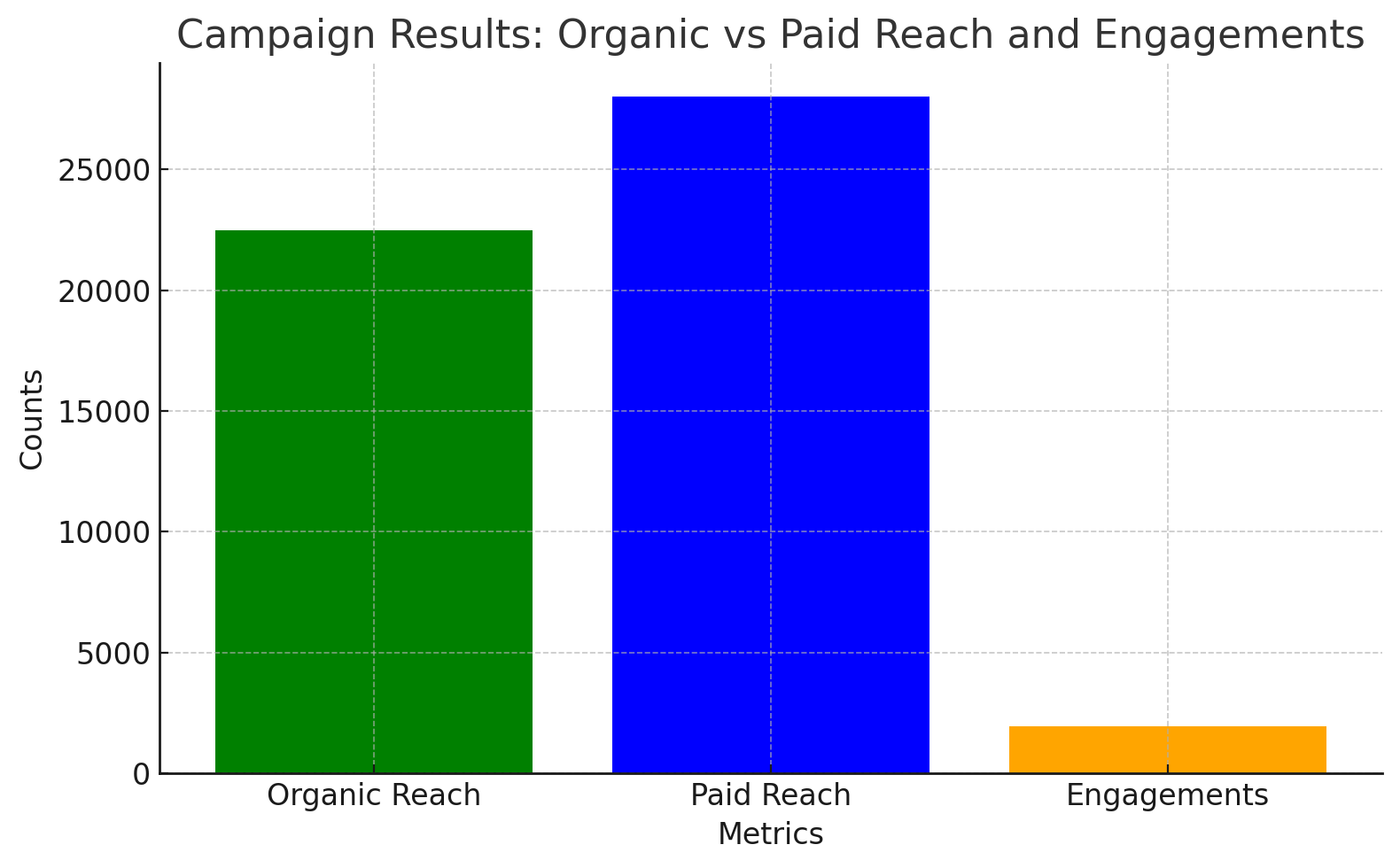
1. Total Reach: 50,379 accounts.

  • Organic Reach: 22,497 (45%).
  • Paid Reach: 28,029 (55%).

2. Content Engagement: 1,937 interactions (comments, shares, likes, and clicks).

3. Cost Efficiency:

  • Average cost per reach: 0.0396 CAD.

Facebook SMM

Key Takeaways:
  • A significant percentage of organic reach (45%) indicates high-quality content.
  • Efficient use of the advertising budget allowed for broad audience reach at minimal cost.
  • High engagement levels reflect audience interest and potential for further conversions.
Conclusion

The collaboration with «No ADS» in the development of Facebook SMM brought noticeable results: increased brand awareness, higher engagement, and new opportunities to attract clients and employees. The campaign demonstrated that even in a competitive industry, the right strategy can ensure financial efficiency and long-term organic growth.

To consolidate success and maintain a positive brand image online, we recommend the following steps:

1. Expanding the Audience

Other Platforms: In addition to Facebook, actively work on building a presence on other platforms. This will help reach a broader audience, including younger demographics and business partners.
Regional Targeting: Extend geographical reach to new regions, focusing on potential clients and partners.

2. Regular Quality Content

Posts: Plan the creation of content that showcases the company’s workflow, ecological initiatives, and project successes.
Visual Materials: Use high-quality photo and video content that highlights modern equipment, work processes, and the team.

3. Focus on Employee Engagement

Employer Reputation: Develop a series of posts about working conditions, employee benefits, and career growth opportunities within the company.
Interactive Content: Engage the audience with polls, Q&A sessions, and employee success stories.

4. Enhancing Interaction

Contests and Promotions: Organize giveaways, promotions, and interactive activities to boost page activity.
Comment Responses: Regularly respond to comments and inquiries, showing openness and readiness to collaborate.

5. Ecological Image

Eco-Initiatives: Publish posts about the company’s efforts in ecological responsibility (e.g., reforestation), building audience trust.
Educational Content: Share information about sustainable development and eco-friendly practices in the industry.

6. Analytics and Optimization

Monthly Analysis: Regularly evaluate the effectiveness of content, advertising, and engagement.
Strategy Adaptation: Adjust strategies based on changes in audience behavior and market conditions.
These steps will help strengthen the client’s brand position online, attract new customers, and maintain a long-term partnership with consistent success.

The Power of Social Media Marketing for Small Businesses

Small Businesses


Why SMM is a Game-Changer for Small Businesses?

In today’s digital landscape, social media marketing (SMM) has become an essential tool for small businesses to compete and thrive. With the right strategy, small businesses can use social media to build their brand. It also helps connect with customers. You can also drive sales – without having to spend a lot of money. Here are the top benefits of SMM for small businesses. Let’s find out why it’s worth integrating into your marketing strategy.


Affordable Marketing with Big Impact

One of the most significant advantages of SMM is its cost-effectiveness. Setting up accounts on platforms like Facebook, Instagram, LinkedIn, or TikTok is free, and posting organic content doesn’t require a major investment. Even when businesses invest in paid ads, platforms offer precise targeting tools, allowing small budgets to have maximum impact.

At NoAds.ca, we understand the value of getting more for less, and SMM is a prime example of a high-return strategy that doesn’t drain your resources.


Build Personal Connections with Your Audience

Unlike traditional advertising, SMM allows businesses to engage directly with their audience. Responding to comments, addressing concerns in direct messages, or even interacting in polls and stories builds a personal connection. This fosters trust and loyalty, making your brand more than just a product or service—it becomes a part of your customers’ lives.

Amplify Your Brand Awareness

The more people see your business online, the more familiar they become with your brand. Regular and engaging posts keep your audience informed and interested. Viral content, such as giveaways, fun challenges, or compelling stories, can exponentially expand your reach.

With NoAds.ca, we focus on helping you create content that resonates with your audience, amplifying your voice and making your brand unforgettable.


Target Your Ideal Customers

Social media platforms are equipped with powerful analytics and targeting tools. Want to reach dog lovers in your city aged 25–40? Or parents searching for educational tools? SMM allows businesses to tailor ads and content to reach the exact audience you’re aiming for.

This precision means every dollar you spend on ads goes toward converting real potential customers.


Gain Actionable Insights

Social media provides detailed metrics like engagement, reach, clicks, and demographics. These insights give you a clear picture of what’s working and what needs improvement. Adjusting your strategy becomes a quick and efficient process, ensuring that you stay ahead of the competition.

At NoAds.ca, we help small businesses harness these analytics to make smarter marketing decisions and achieve measurable results.


Drive More Sales

Whether you’re running an online store or a brick-and-mortar shop, social media drives sales. Features like “Shop Now” buttons increase direct sales from social platforms. Links to your website boost traffic and conversions. In-app shopping integrations make it easy for customers to buy from social feeds.


Showcase Creativity and Build Trust

Social media is the perfect place to let your creativity shine. Through videos, photos, stories, or even fun challenges, you can showcase your products or services in unique ways. Sharing customer testimonials, behind-the-scenes content, or educational posts also helps build trust and establish your business as an expert in your field.


Perfect for Local Businesses

If your business primarily serves a local audience, SMM is a game-changer. You can target ads to people in your specific area and encourage them to visit your shop, restaurant, or service location. With geotags and hashtags, it’s easy to build a loyal, local following.


Strengthen Your Reputation

Your online presence is often the first impression customers have of your business. Responding to reviews, answering questions, and being active on social platforms shows that you care about your audience. This goes a long way in building a positive reputation that drives word-of-mouth referrals.


Stand Out from the Competition

Social media levels the playing field. It allows small businesses to look professional and engaging. Small brands can compete with larger competitors effectively. With consistent posting, they strengthen their digital presence. A solid strategy helps even small brands outshine bigger competitors.


Why Choose NoAds.ca for Your Social Media Marketing?

At NoAds.ca, we specialize in helping small businesses maximize the potential of SMM. From creating content to managing campaigns and analyzing results, we handle the heavy lifting so you can focus on what you do best—running your business.

Start building your digital presence today with NoAds.ca. Let’s show the world what makes your business special.

Common Mistakes by Beginners in Website Development

beginner website errors

This article examines the common beginner website errors (mistakes) made by beginners when developing websites independently. It highlights how the lack of a systematic approach, neglect of modern standards, and insufficient attention to detail can significantly reduce the effectiveness and quality of web resources. Practical recommendations for addressing the most common issues are provided.

With the advancement of digital technologies, website creation has become accessible even to users without extensive programming knowledge. However, the simplicity of tools and availability of information do not guarantee successful outcomes. During the development process, beginners often make mistakes that impact the functionality, usability, and perception of the website. This article aims to analyze typical beginner website errors and offer practical solutions.


1. Lack of Preliminary Planning

One of the key problems is starting a project without a clear plan. Beginners often proceed without defining the purpose of the website, its target audience, or the required features. This results in inconsistent decisions that lower the resource’s effectiveness.

Before starting, create a detailed plan outlining the site’s architecture, design, target pages, and key functions. Tools like mind maps and prototyping software can assist in this process.


2. Neglecting Responsive Design

Over 60% of internet traffic comes from mobile devices. However, many beginners focus solely on the desktop version of their websites, leading to a poor user experience on smaller screens.

Implement responsive design and regularly test your website on various devices. Tools like Google’s Mobile-Friendly Test can help assess mobile usability.


3. Overloading the Design

Excessive use of elements (colors, fonts, animations) makes websites visually cluttered and hard to navigate. This is a common mistake tied to the desire to create an “impressive” site that ends up overwhelming visitors.

Stick to minimalism: use no more than 2–3 colors and fonts. Pay attention to text readability and ease of information consumption.


4. Slow Loading Speeds

Performance optimization is another issue that beginners often overlook. Large image files, unoptimized code, or excessive plugins can significantly increase page load times.

Optimize images before uploading (e.g., using TinyPNG), minimize and combine CSS and JavaScript files, and use performance analysis tools like Google PageSpeed Insights.


5. Poor Navigation

A complex site structure and poorly designed menus can frustrate users. A lack of logical page arrangement and intuitive links complicates information discovery.

Design an intuitive navigation structure. Use breadcrumb trails to enhance user orientation.


6. Ignoring SEO

Neglecting search engine optimization (SEO) basics results in websites with poor visibility in search engines. Beginners often forget about meta tags, keywords, and proper heading structures.

Learn basic SEO principles. Use proper headings (H1, H2, etc.), write meta descriptions, and optimize images for search engines.


7. Low-Quality Content

Copy-pasting materials from other sources, textual errors, and irrelevant images undermine user trust. Content is the foundation of any website, and its quality directly impacts project success.

Create unique content, proofread texts for beginner website errors, and use high-quality images that align with the website’s theme.


8. Neglecting Security

The absence of an SSL certificate, weak passwords, or neglecting backups make websites vulnerable to attacks.

Enable HTTPS, regularly create backups, and use strong passwords. Check your hosting provider’s security settings.


9. Poor URL Structure

Long and uninformative URLs negatively impact SEO and user experience.

Use short and meaningful URLs that reflect page content. For instance, instead of site.com/page1, use site.com/about-us.


10. Lack of Testing

Publishing a website without thorough testing leads to numerous errors noticed only by users. This reduces trust and can result in audience loss.

Test your website before launching. Check how pages display in different browsers and on various devices. Seek feedback from external users to identify potential issues.


Creating a website requires a systematic approach, attention to detail, and adherence to modern standards. The mistakes typical for beginners can be avoided by following the recommendations provided in this article. As a result, a high-quality and functional web resource becomes attainable for anyone willing to learn and apply their knowledge in practice.

SEO Trends 2024

SEO in 2024

Welcome to the wild world of SEO in 2024. Strap in, because this isn’t your regular drive through the digital countryside. This is a turbocharged, all-throttle, straight-up ride through the engine-firing world of search engine optimization.

 AI: The Robo-Driver in the Driver’s Seat

If SEO were a race, Artificial Intelligence would be the slick, self-driving car making everyone else look like they’re pedaling tricycles. Google has unleashed its AI-driven algorithms, and they’re learning faster. If you’re not adapting, you’re likely getting left behind in a cloud of metaphorical dust. Forget keywords alone; now it’s all about how well the machine understands your content’s intent. So buckle up and keep your AI-fueled toolkit sharp.

Voice Search: Talking Your Way into the Fast Lane

Remember when cars first got voice commands? It was a bit hit-or-miss. Voice search in SEO is much the same—it’s growing, it’s cool, and it’s suddenly making everyone rethink how they phrase things. Your audience is speaking their queries like they’re chatting with their mate on a Sunday drive, and your content has to keep up. If it sounds like you’re typing a research paper, you’re out of the race.

Mobile Optimization: The Pocket-Sized Powerhouse

Picture it: a supercar with no wheels. It’s impressive in theory but not going anywhere. That’s your website in 2024 if it isn’t mobile-friendly. Mobile-first is the way forward, and if your website doesn’t scream speed, style, and functionality on a smartphone. Fast loading pages? Mandatory. Slick, adaptive design? Absolutely essential.

E-E-A-T: The Quality Fuel Your SEO Engine Needs

SEO now runs on a different kind of fuel—E-E-A-T: Experience, Expertise, Authoritativeness, Trustworthiness. Imagine it’s like choosing between a sports car with a reputation for reliability or one from that sketchy back-alley dealership. Google is picking the former every time. Your content needs to show not just horsepower, but that you know how to keep it on the road too. Ditch the shortcuts and load up on quality—it’s what wins the race.

Local SEO: Your Neighborhood Track Day

Local SEO is like tuning your car to own the local track. Forget global domination for a second—this is about showing up at your community car meet and being the one everyone talks about. Nail your Google My Business profile, get those reviews, and make sure your location pins are sharper than James May’s driving critiques. It’s about being the legend on your own turf before conquering the rest.


SEO in 2024 isn’t for the faint of heart. It’s a blend of old-school fundamentals with the latest, high-tech gadgets, and if you’re not ready to adapt, you’ll find yourself being overtaken by those who are. So tune up, optimize your  website NOW.

7 Steps to Start Creating a Website Without Experience

Website creation

1. Define the Purpose of Your Website

Before you start, it’s important to clearly understand why you need a Website creation. It could be a personal blog, an online store, a portfolio, or an informational resource. This will influence the next steps.

Example:

Let’s say you’re opening an online store selling handmade goods. The purpose of your site might be to showcase and sell your unique products. You might also want to provide information about the creation process and share the stories behind each creation. It will halp to build a personal connection with your audience.

The purpose should be clear, such as: «To sell handmade crafts online. While sharing the stories and passion behind each item to connect with customers.»

This clear purpose will guide you in designing the content and features of your site effectively. Focus on user experience, product descriptions, and storytelling that drives sales.


2. Choose a Platform for Building Your Website

There are various platforms that don’t require coding:

  • Wix – an intuitive drag-and-drop interface.
  • WordPress.com – ideal for blogs and informational sites.
  • Squarespace – elegant designs for portfolios and business sites.

Let’s say you want to create a blog to share your travel experiences. You could choose WordPress as your platform because it offers a wide variety of templates and plugins that make it easy to customize your blog. Additionally, it’s beginner-friendly, allowing you to manage your posts without needing coding skills.

Alternatively, if you are looking for a more drag-and-drop experience, you might consider Wix. With Wix, you can easily create a visually appealing travel blog by selecting a pre-designed template and adding your content by dragging elements onto the page.

The choice of platform will depend on your technical skills, budget, and the specific needs of your website.


3. Select a Domain Name and Hosting

A domain is your website’s address on the Internet (e.g., www.yourwebsite.com). Hosting is the space where your site’s files are stored. Many platforms, such as Wix and WordPress.com, offer hosting services along with domain registration.


4. Create a Site Plan

Before creating pages, draft a plan that includes the main sections: home page, about us, services/products, contact information, blog, etc.

Imagine website creation for a local bakery. Your site plan could include the following pages:

  1. Home Page: A welcoming page that highlights your bakery’s story, featured products, and a call-to-action to visit the shop.
  2. About Us: A page that provides the history of the bakery, the team behind it, and your passion for baking.
  3. Products: A catalog of your baked goods, such as cakes, breads, and pastries, including prices and descriptions.
  4. Online Ordering: A section that allows customers to place orders for pickup or delivery.
  5. Contact Page: A contact form, address, phone number, and an embedded Google map showing the bakery’s location.
  6. Blog: A page where you share baking tips, recipes, and behind-the-scenes stories from the bakery.

The site plan helps outline what content needs to be created and ensures you include all the key information that your visitors will be looking for. It also helps keep the website organized, making it easy for users to navigate and find what they need.


5. Choose a Template and Customize the Design

Most platforms offer ready-made templates that can be customized to your needs. Choose a style that matches your goal and adjust colors, fonts, and images accordingly.

Let’s say Website creation for your yoga studio. You choose Squarespace as your platform, and you find a clean and minimalist template that has a calm and inviting look, perfect for yoga.

After selecting the template, you start customizing it:

  • Colors: You change the color scheme to soft greens and blues to give a tranquil feel, reflecting the peaceful nature of your yoga classes.
  • Fonts: You choose elegant and easy-to-read fonts to convey both professionalism and warmth.
  • Images: You replace the default images with photos of your studio, classes in session, and peaceful nature scenes to better represent your business.
  • Content Layout: You adjust the layout of the homepage to feature a hero image at the top, followed by a section that showcases the different types of classes offered, and add a «Book a Class» button prominently.

Customize the template to suit your brand personality and your audience’s needs. This will make your website attractive and user-friendly. This approach encourages potential customers to learn more and enroll in a course.


6. Fill Your Website with Content

Prepare texts, photos, and other materials to populate your website’s pages. Focus on quality content that will engage your audience.


7. Review and Publish Your Website

Check all links, contact forms, and responsiveness on different devices to ensure everything works perfectly. Then, publish your site.


The NOADS team is ready to help you take your first steps in creating a website, even if you have no experience.


Remember, starting your first website creation isn’t just about launching a project. It’s about beginning a journey that could change your career, or even your life. Take that first step, stay adaptable, and don’t be afraid to dream big.

Grow with us, and let’s achieve great things online.

Social Media Marketing

Social Media Marketing

Social Media Marketing (SMM) uses social media platforms to promote products, services, or brands.
SMM means creating and sharing engaging content to attract and inform audiences.
The goal is to increase brand awareness, drive traffic, and generate valuable sales or conversions.

✅ Content Creation
Create posts, images, videos, and stories that capture attention and inspire interaction.
A strong content strategy aligns your posts with the brand’s voice and audience needs.
Regular posting keeps your audience engaged and returning for more updates.

✅ Targeted Advertising
Paid ads on Facebook, Instagram, LinkedIn, and TikTok target specific audience groups effectively.
Advertisers select targeting details, like age, interests, or location, for better results.
Social media marketing campaigns improve when advertising is tailored to audience preferences.

✅ Community Engagement
Engage actively with comments, direct messages, and mentions to build audience trust.
Host contests, polls, or Q&A sessions to increase interaction and strengthen loyalty.
Consistent engagement turns followers into a supportive brand community.

✅ Analytics and Metrics
Tracking performance is crucial for measuring campaign success and refining strategies.
Tools like Facebook Insights and Instagram Analytics reveal what content works best.
Adjust campaigns based on engagement rates, reach, and conversions.

✅ Tools and Scheduling
Use Hootsuite, Buffer, or Later to schedule posts and save time efficiently.
These tools ensure consistent posting and maintain a regular content flow.

✅ Platform Choice
Each platform suits different goals and audiences, so choose wisely.
LinkedIn targets B2B, while Instagram and TikTok attract visual-focused consumers.
Successful social media marketing relies on knowing where your audience spends time.

In summary, social media marketing is a dynamic tool for business growth and audience connection.

Grow with us, and let’s achieve great things online.

Social Media Optimization

content strategy

SMO (Social Media Optimization) refers to the process of improving visibility. It is also a strategy for brand engagement and presence on social media platforms. The goal of SMO is to create engaging and shareable content (content strategy), optimize social media profiles, and grow an active subscriber base. This is achieved by promoting organic interactions.

Key components of SMO include:

Optimizing Social

Media Profiles: Ensure profiles on platforms like Facebook, Instagram, Twitter, and LinkedIn are complete and visually appealing. Include relevant keywords in descriptions and bios to improve searchability.

Content Strategy:

Post engaging, valuable, and shareable content tailored to the target audience. This includes text, images, videos, and interactive elements. A strong content strategy ensures consistent messaging and brand voice. Use tools like Buffer or Hootsuite to schedule posts and optimize posting times for maximum reach and engagement.

Hashtags & Keywords:

Utilize relevant hashtags and keywords to enhance discoverability. Research trending hashtags related to your industry and integrate them thoughtfully into posts.

Engagement:

Actively engage with followers through comments, shares, likes, and responding to messages. High-quality visuals and branded graphics significantly boost engagement and post shares, making your content stand out.

Cross-Promotion:

Promote social media channels across other marketing platforms, including websites, blogs, and email campaigns. This strengthens your online presence and increases the chances of attracting new followers.

Analytics:

Track analytics to measure post performance and adjust your content strategy accordingly. Monitoring likes, shares, comments, and reach helps refine future content for better results.

SMO plays an essential role in building brand awareness and fostering customer loyalty by encouraging direct interaction and community building. It complements SEO (Search Engine Optimization) by driving traffic from social media to websites, thus improving search rankings indirectly.

To enhance your SMO efforts, explore resources such as Hootsuite’s Social Media Blog (https://blog.hootsuite.com) or Buffer’s Guide to Social Media Strategy (https://buffer.com/library/social-media-strategy/). These provide expert insights and tips for refining your approach.

Grow with us, and let’s achieve great things online.

© 2026 No ADS. All rights reserved.